What is Purpose-First Design and Why It Matters in a Virtual Event
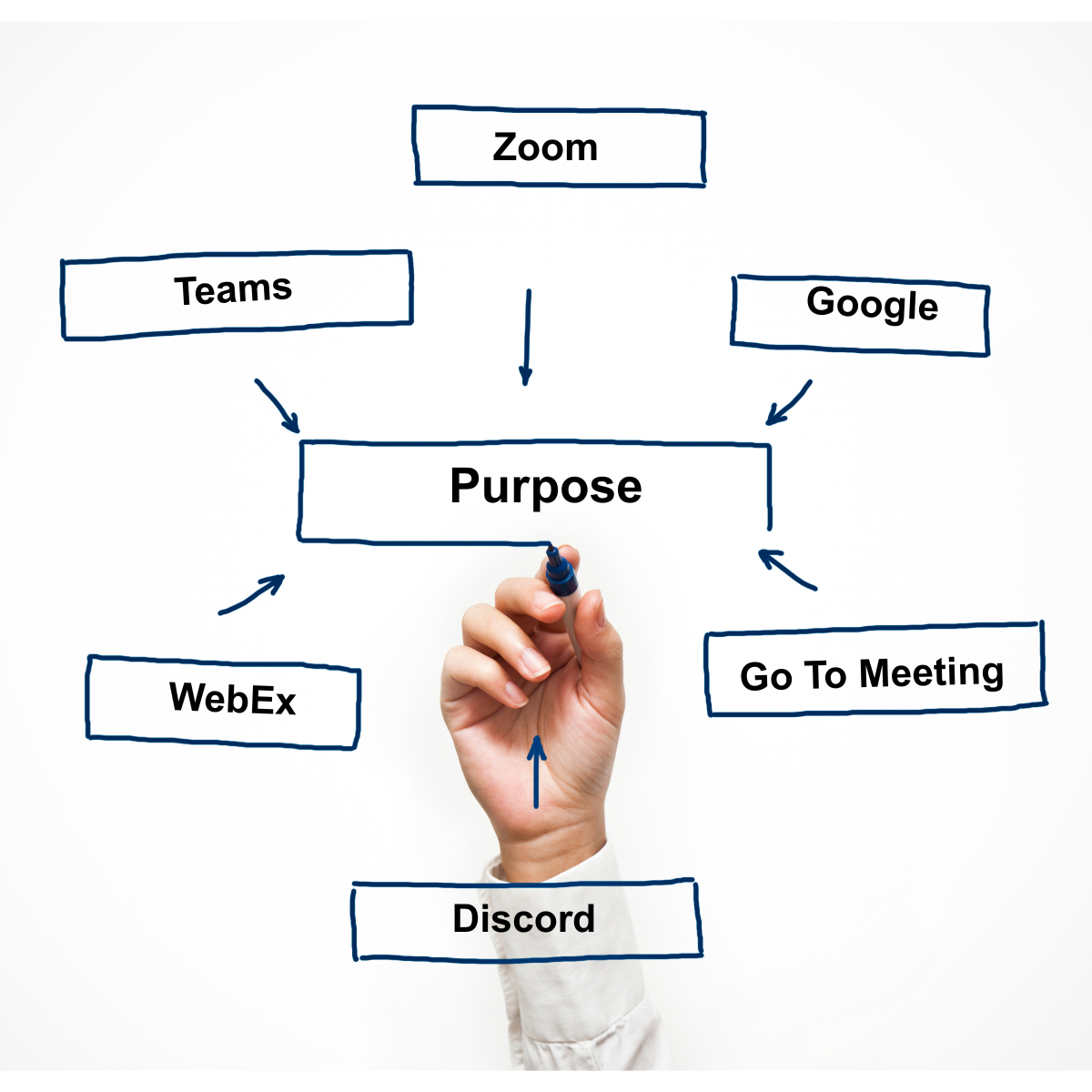
When someone contacts me about producing a virtual event, one of the first questions they ask is:
"What platform should we use?"
It's an understandable question.
But it's rarely the first question I answer.
Instead, I ask a different one.
"What do you want people to do differently when the event is over?"
That single question changes the entire planning process.
It's the foundation of what I call Purpose-First Design.
Start With the Outcome
It's tempting to begin planning with technology.
Should we use Zoom or another platform?
Do we need breakout rooms?
Should we livestream the event?
How many attendees can register?
Those are important decisions, but they're not the starting point.
The best virtual events begin with clarity about the outcome.
If you don't know what success looks like, every feature begins to look equally important.
Three Questions Every Event Should Answer
Before selecting a platform or creating an agenda, I encourage clients to answer three questions.
What should participants know?
Perhaps the event is designed to educate, introduce a new initiative, or share research.
What should participants feel?
Should they leave inspired? Reassured? Connected? Energized?
Emotions shape memories. People often remember how an event made them feel long after they've forgotten individual slides.
What should participants do next?
Should they vote?
Donate?
Register?
Volunteer?
Schedule a meeting?
Without a clear next step, even an engaging event can lose momentum.
Every Design Decision Has a Purpose
Once the purpose is clear, the rest of the decisions become easier.
If networking is the goal, breakout rooms become valuable.
If interaction matters, polls and chat should be intentionally planned rather than added as an afterthought.
If the goal is education, perhaps fewer interactive features and more focused content create a better experience.
Even something as simple as when participants enter the meeting room affects the experience.
A waiting room can build anticipation.
Music can create energy.
A welcome slide can reduce uncertainty.
None of these decisions are random.
Each one should support the purpose of the event.
The Audience Doesn't See the Design
When an event feels seamless, participants often assume it happened naturally.
They don't see the planning meetings.
They don't see the run of show.
They don't see the speaker rehearsals or contingency plans.
That's exactly as it should be.
Good design is often invisible.
Its value is measured not by what people notice, but by what they accomplish.
Technology Supports the Mission
Technology is an incredible tool.
But it should never become the focus.
People don't remember a meeting because it used breakout rooms.
They remember the conversation they had inside one.
They don't remember the polling feature.
They remember realizing they weren't the only one facing a challenge.
Technology creates opportunities.
Purpose creates impact.
One Question to Ask Before Your Next Event
Before planning your next virtual meeting, webinar, or conference, pause before choosing a platform.
Ask yourself:
What do I want people to do differently because they attended?
When you begin with purpose, every other decision becomes easier.
And that's when technology becomes what it was always meant to be.
A tool in service of people.
Reflection Question
What's one design decision in your next event that could more intentionally support the outcome you're trying to create?
Feel free to share this newsletter with a friend struggling with virtual events.
My company is Calm, Clear, Media. I produce virtual events for nonprofits and member organizations. I don’t just manage Zoom calls; I create experiences that reflect your mission and engage your audience. My job is to make sure everything runs smoothly so my clients can focus on impact.
#VirtualEvents #CoHost #Engagement #TechSupport #Professionalism #Teamwork