Public Radio Lessons for Better Meetings, Presentations, and Virtual Events
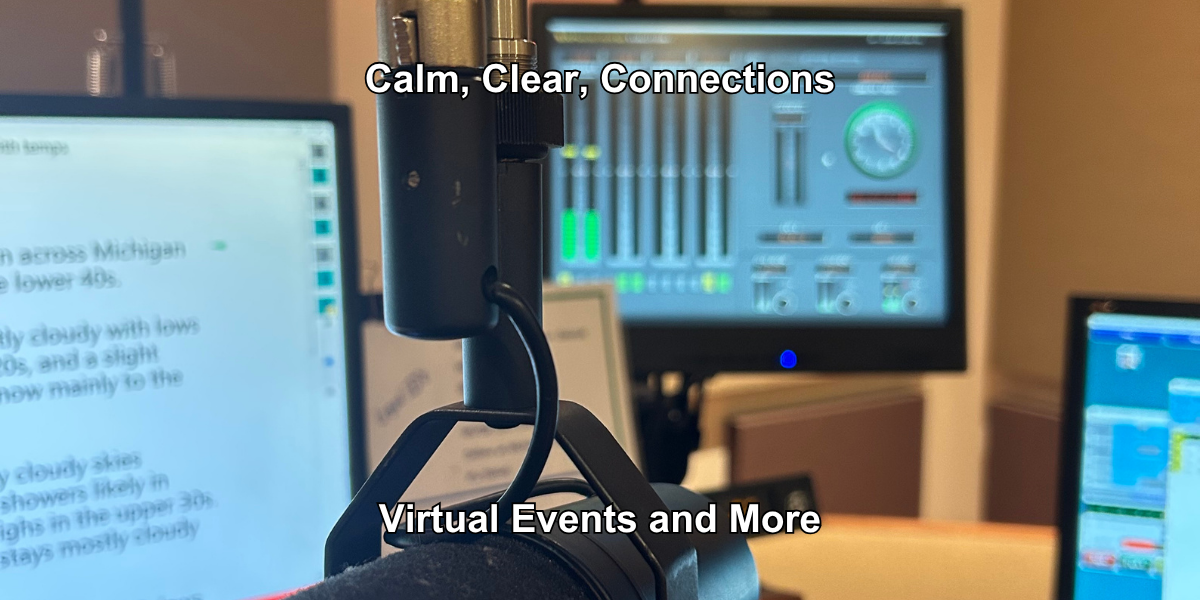
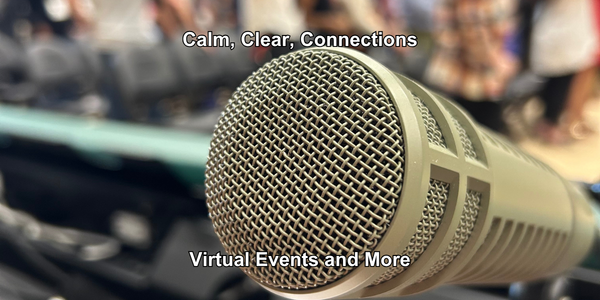
Each weekend, I find myself sitting behind a microphone and speaking to people I can't see.I have no idea whether they're listening in the kitchen, driving to work, walking the dog, or sitting quietly with a cup of coffee. I also don't know whether I have their full attention or whether traffic, children, notifications, or a long list of other things is interrupting me.I can't see their faces to tell whether what I said made any sense.Working in public radio has changed how I think about communication.What I've discovered through my experience at online events, during announcements, training sessions, and when giving speeches is that communication isn't complete just because you've said something; it is only complete when the other person has received and understood it.The way you communicate changes.
Clarity matters more than complexity
Radio has no tolerance for unnecessary complexity.Since someone is listening, they can't look back at the previous paragraph or read the same sentence again. If they lose the thread of your explanation, the speech continues.It means that the first time around, the person listening had to understand what you were saying.It doesn't follow that we should simplify our ideas, since complex subjects warrant nuance.That is about removing unnecessary obstacles between the idea and the person who receives it.We can help by using shorter sentences, employing familiar language, maintaining careful pacing, and keeping a clear structure.I realize the distinction between simplifying an idea and making an idea easier to understand.That is not the same thing.People who communicate well won’t always simplify the subject; instead, they make it easier to understand.
You are competing for attention
We rarely get the attention we think we do.It's clear with radio: people might be listening while driving, making breakfast, checking the weather, or getting ready for the day.The same is true when people are taking part in an online meeting, a conference presentation, a webinar, or a training session.The audience can be there without giving you their full attention.It means that "pay attention" is not a communication strategy.We need to gain attention.An effective opening helps, along with understanding why a piece of information matters to the audience. Variety is helpful as well. Stories help, and so do questions.Most importantly, relevance helps.It is much easier to hold attention when people know why something matters to them.
Pacing is part of the message
A script may look entirely sensible on a screen but sound quite different when spoken aloud.You are taught that by radio.Where you pause matters.The word you stress is important.You cannot ignore the importance of giving an idea enough space to settle.Silence matters, too.We often treat pauses as errors that must be filled. In fact, a properly placed pause allows the listener to consider what they have just heard.Its relevance extends well beyond broadcasting.Presenters often rush through their material because they have a great deal to cover. Meeting leaders tend to move quickly when the agenda is full. Speakers sometimes take silence to mean the audience is not engaged.But communication takes time to process.Sometimes the most useful thing you can do for an audience is give them a moment or two to think.
Preparation creates room to be present
Live radio likewise reinforces one of my favorite principles:Preparation creates calm.The idea that every possibility of something going wrong should be eliminated is impossible in the case of live broadcasting, just as it is impossible in the case of a live event.Preparation reduces what you have to work out on the spot.Only when I know what comes next, only when I have gone over the material, only when I have checked the pronunciations, and only when I understand the structure of what I'm doing do I have some mental capacity left over for the unexpected.The principle is just as applicable to online events.A run-through doesn’t stop surprises. A technical rehearsal doesn't ensure the technology will function properly. Having a backup plan doesn't mean you'll actually have to use it.They give you options.And options create calm.That calmness affects communication because it lets you listen, adjust, and respond instead of trying to get through the next few minutes.
The audience shouldn’t have to understand the machinery
A lot goes on behind a radio broadcast that the listener doesn't hear.That’s the point.All the technology, timing, scripts, audio levels, transitions, automation, and coordination are included to support the experience rather than require the audience to build it themselves.The same principle must apply to online events.People need not understand the technical architecture of your event to take part successfully.They need not have to work out where they are meant to go, which button they are supposed to press, whether they should be muted, or what is going to happen next.Well-made production causes the machinery to disappear into the background.So long as technology is functioning properly, people can concentrate on other people.
Listening is part of communicating
One of the most important lessons is to be found in the name of the medium.Radio has listeners.We spend a lot of time considering how to speak more clearly, put ourselves forward with confidence, write persuasively, and tell better stories.We don’t spend as much time considering how well we listen.Nevertheless, much of the most important communication happens before we say anything.What level of knowledge does this audience already have?What do they need?What are they concerned about?What assumptions are we holding?What further questions haven’t they asked?The way I communicate changes afterward depending on whether I’m putting on a virtual event, interviewing someone, speaking to an audience, or sitting behind a radio microphone.
Communication is an act of consideration
The more years I spend in the field of communication, the less interest I develop in communication that only appears impressive.What interests me far more is communication that works.Did people understand?Do they know what their next move should be?Does the technology help them or does it distract them?Do we show respect for their attention?Did we allow the important idea enough space to land?Public radio has made me aware that clarity isn't just a matter of writing technique or presentation skill.It is a way of showing consideration towards the other person.It’s possible that you’ll never meet that person.You will never know precisely where they were when they heard you.Yet you can take their needs into account when designing the communication.Maybe that’s the real lesson.
The best communication begins with the audience, not with the microphone.
Feel free to share this newsletter with a friend struggling with virtual events.
My company is Calm, Clear, Media. I produce purpose-driven virtual events for nonprofits and member organizations. I don’t just manage Zoom calls; I create experiences that reflect your mission and engage your audience. My job is to make sure everything runs smoothly so my clients can focus on impact.
#VirtualEvents #CoHost #Engagement #TechSupport #Professionalism #Teamwork